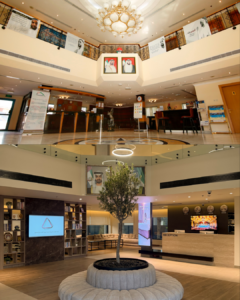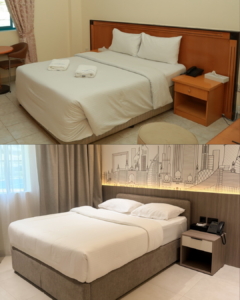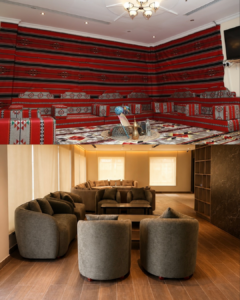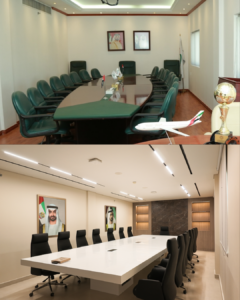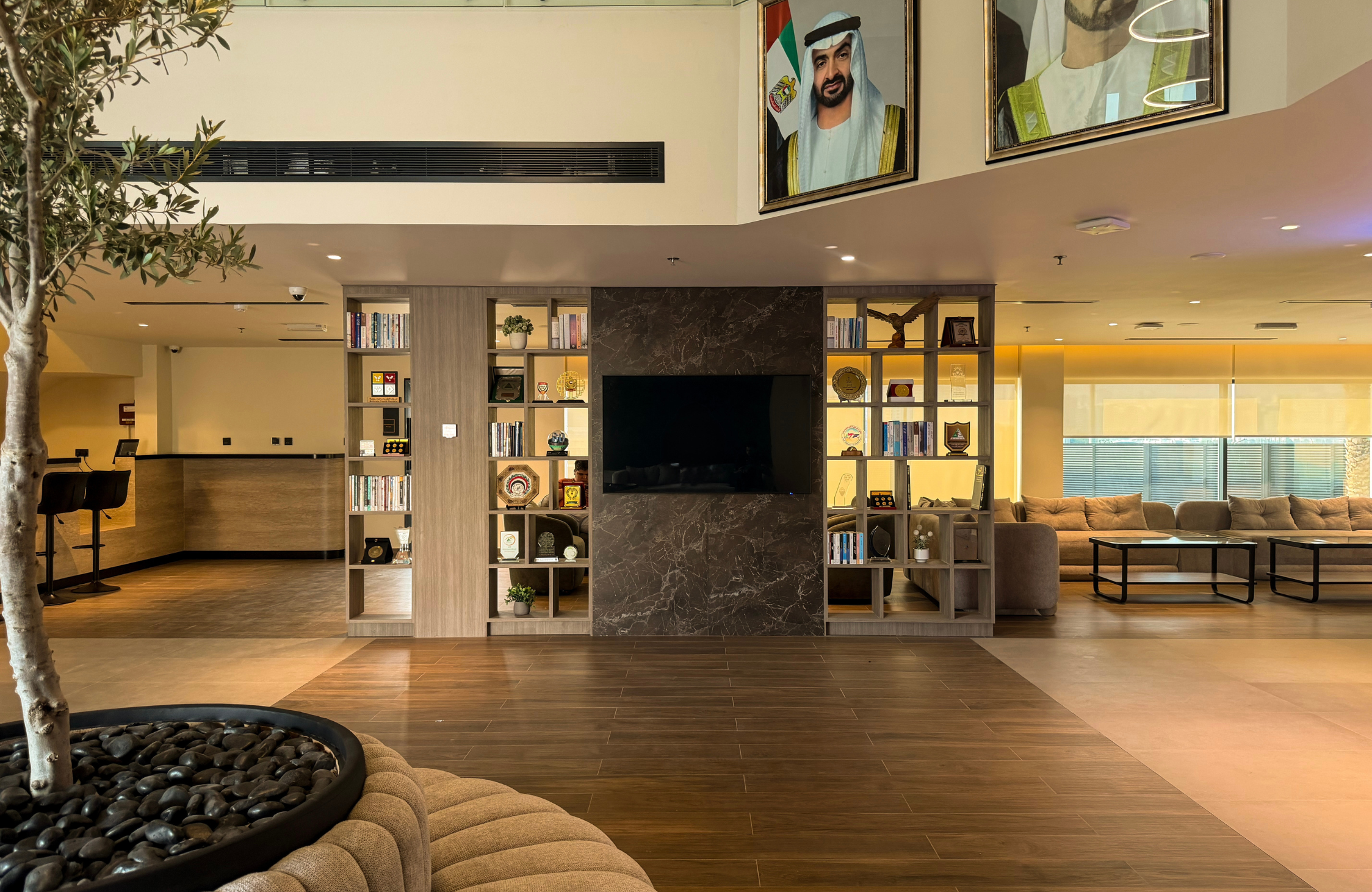
How Urban Atelier transformed an established youth hostel into a contemporary hospitality destination in just five months, while keeping its doors open to guests.
What makes a hospitality destination memorable? Beyond a comfortable room, it is often the feeling of arrival, the character of its interiors and the spaces that invite people to gather. For Dubai Youth Hostel, the flagship property of the UAE Federation for Youth Hostel & Sports, these considerations informed a comprehensive transformation of an existing building. The ambition was to create a contemporary hospitality experience while preserving the affordability, accessibility and sense of community central to the hostel’s purpose. The project called for more than updated interiors. It required a considered approach to the entire property, from guest accommodation and communal facilities to its landscape and recreational spaces. Urban Atelier undertook the transformation as main contractor and delivery partner. The renovation commenced in January 2026 and was completed in approximately five months, against an initial nine-month programme. The property remained operational throughout.
Establishing a new identity
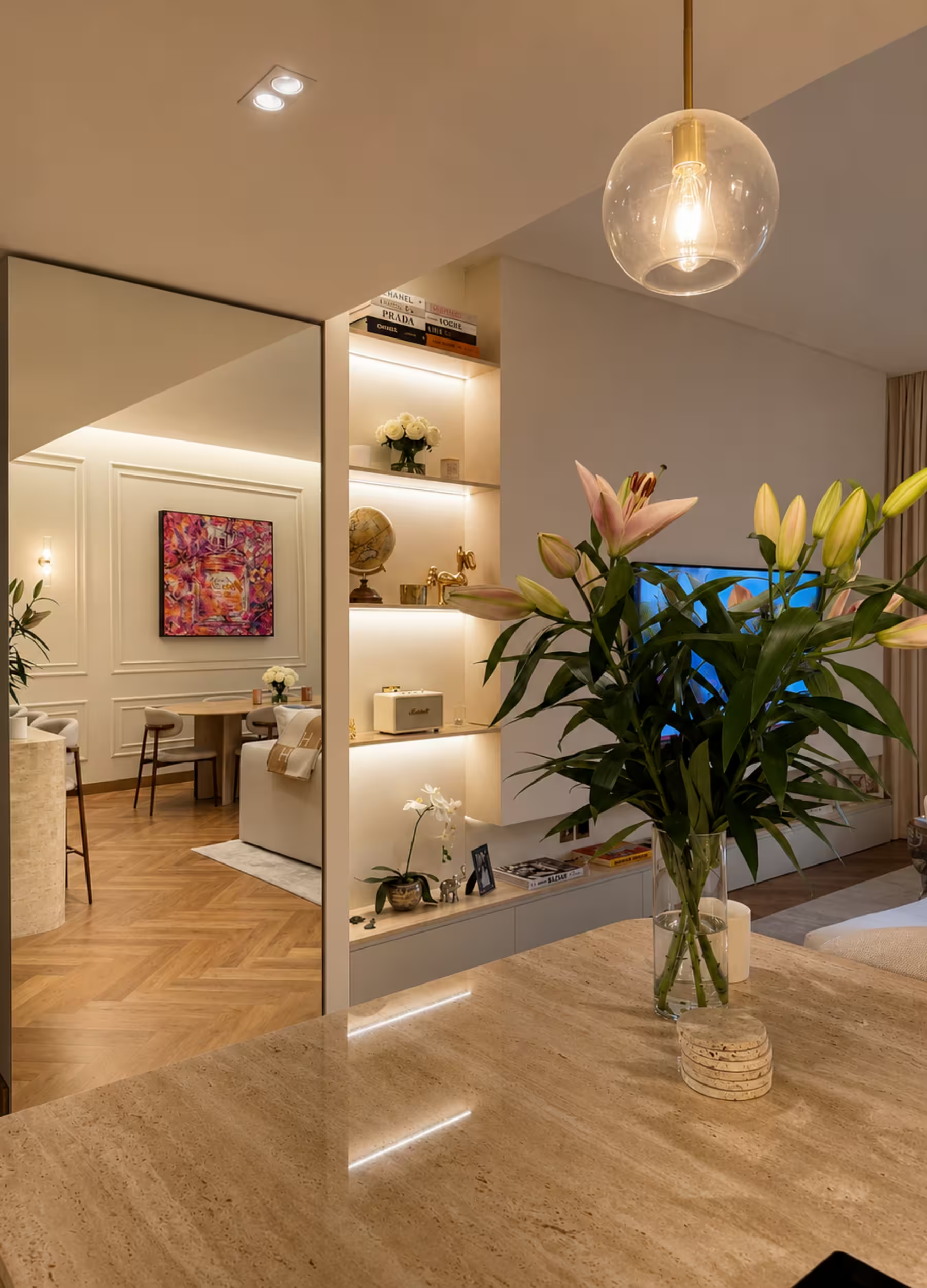
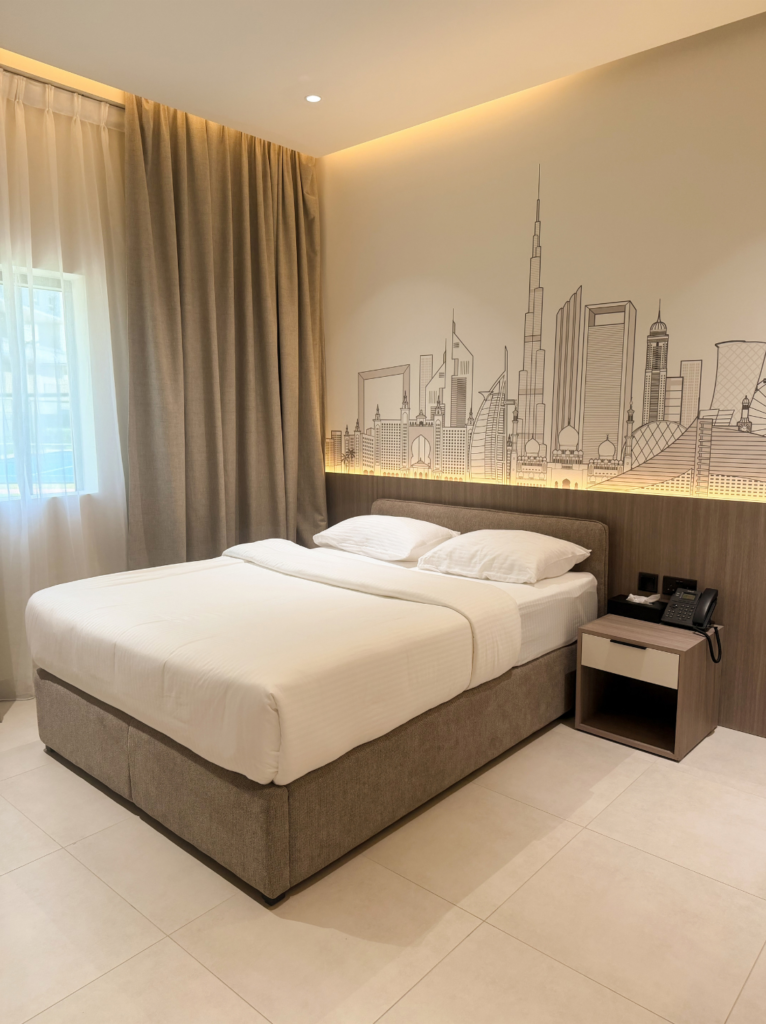
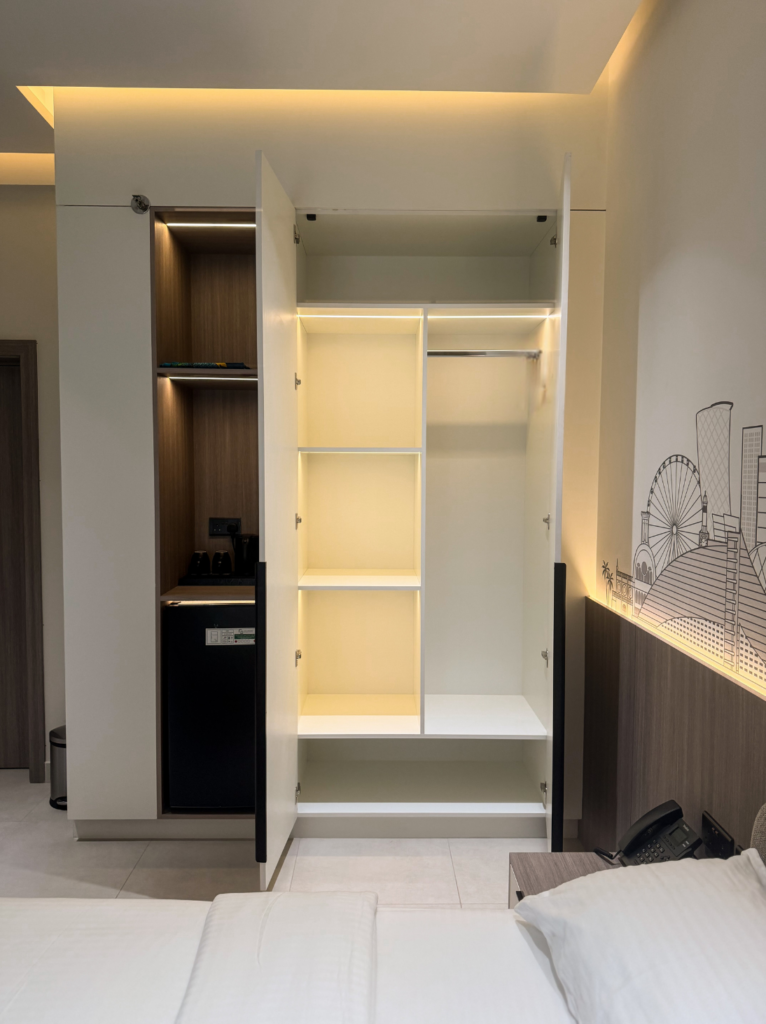
Originally constructed in the 1980s, Dubai Youth Hostel had evolved over time. Its guest rooms lacked a consistent design language, while several communal and external spaces required significant renewal. The transformation began by establishing a unified approach to the accommodation. Across 51 standard guest rooms and a new executive suite, the interiors were brought together through coordinated finishes, lighting and joinery. Rather than treating each room as a separate design exercise, the project established a consistent hospitality experience throughout the building.
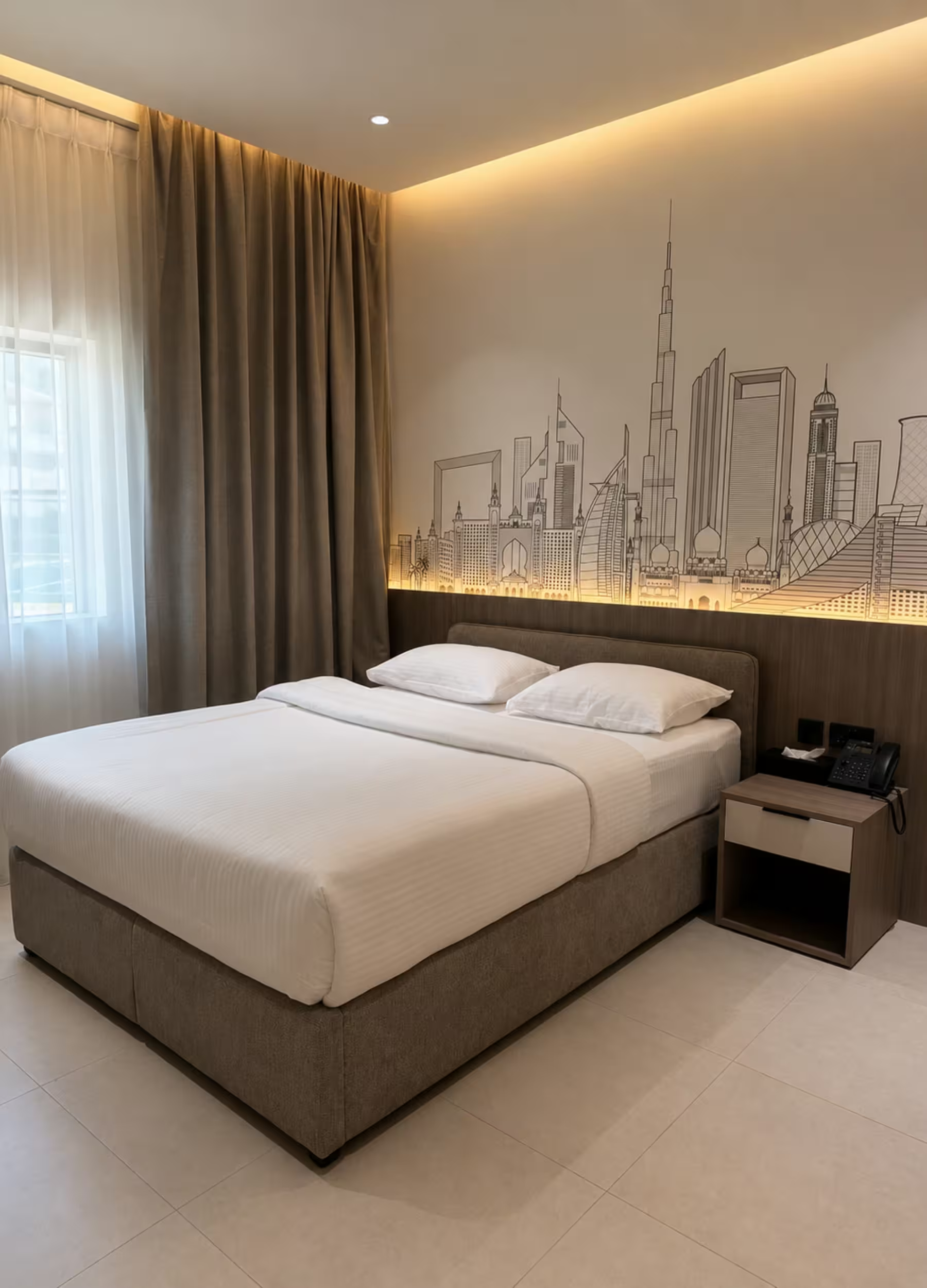
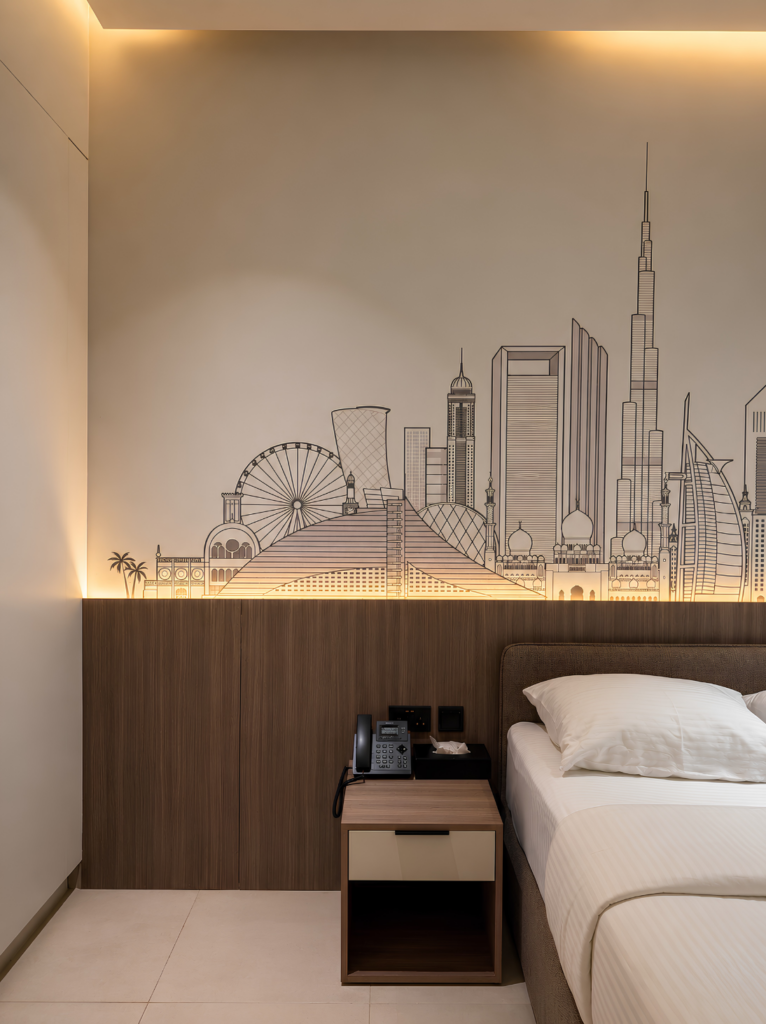
A bespoke, hand-drawn interpretation of the Dubai skyline became the defining element. Integrated into the headboard wall and illuminated from behind, the skyline gives the rooms an immediate connection to their setting. It introduces a recognisable identity without relying on elaborate decoration, allowing the architectural reference to become the focal point. Repeated across the accommodation, the detail creates continuity while giving the hostel a character distinctly its own. For an existing hospitality property, this balance between consistency and identity is particularly important. A coherent design language makes the accommodation feel considered as a whole, while a distinctive detail creates something guests can remember.
The renovation also reconsidered the role of the spaces surrounding the guest rooms. A youth hostel is inherently social. Its purpose extends beyond providing somewhere to sleep; it creates opportunities for travellers to meet, share experiences and spend time together.
Beyond accommodation
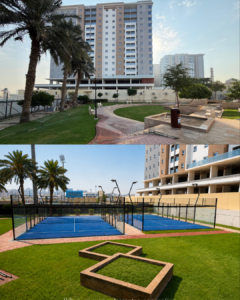
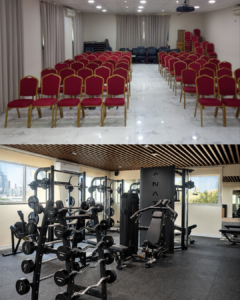
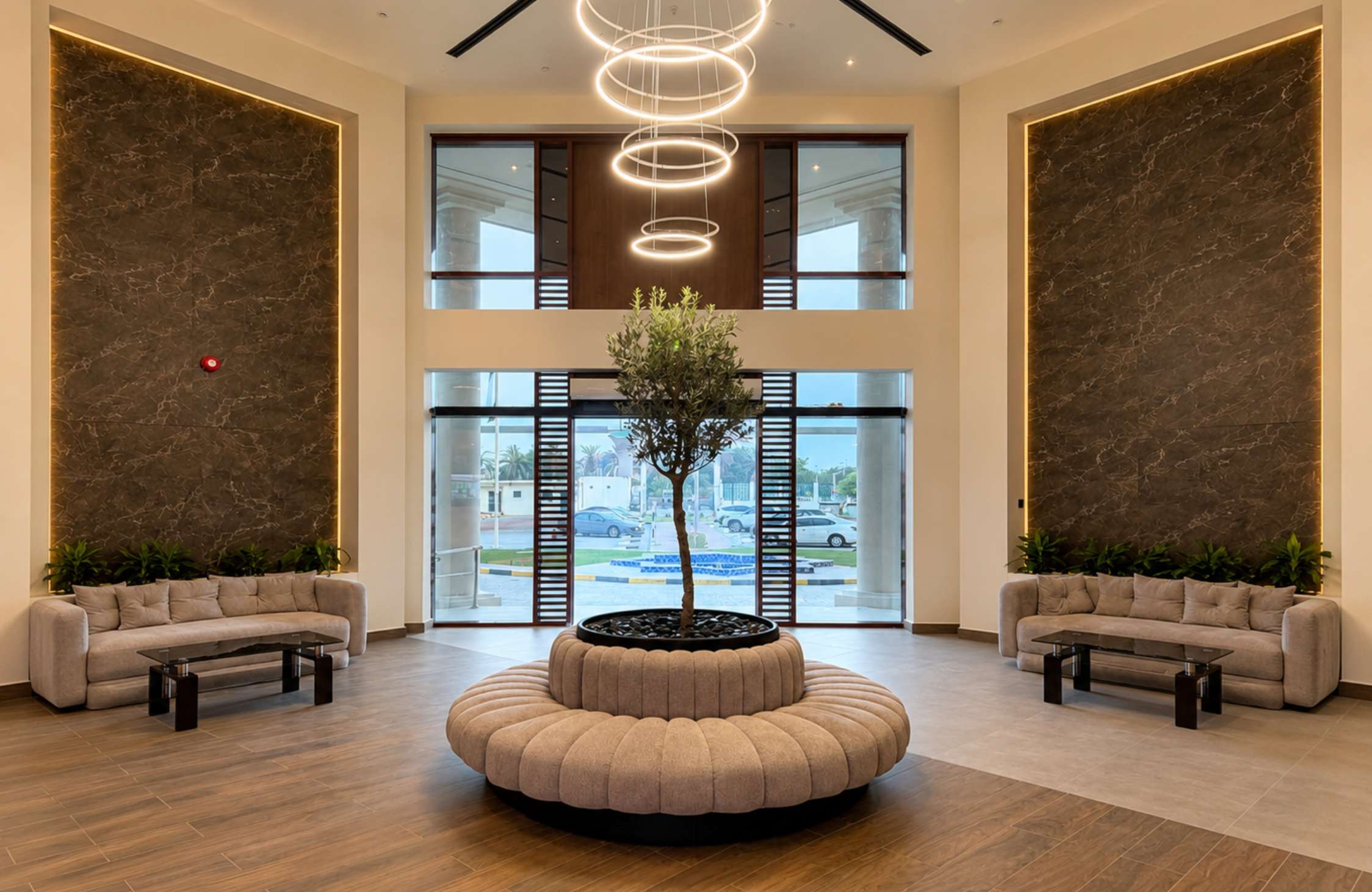
At Dubai Youth Hostel, the reception and double-height social lounge were redesigned to establish a more welcoming point of arrival and a central gathering space. A renewed dining hall and kitchen support the daily routine of the property, while an executive meeting room and a gym introduce additional facilities for guests. The existing building was adapted to accommodate these new functions. Outside, a previously unfinished pool terrace was completed and refurbished, creating a new leisure setting. A floodlit padel court and renewed landscaping extend the experience further, introducing opportunities for recreation and shared activity. The entrance and facade were also enhanced, establishing a clearer identity for the property from the moment guests arrive. Together, these interventions allow the hostel to function as more than a collection of rooms. The building now offers a connected hospitality experience shaped around accommodation, leisure and community.
Inclusivity within the design
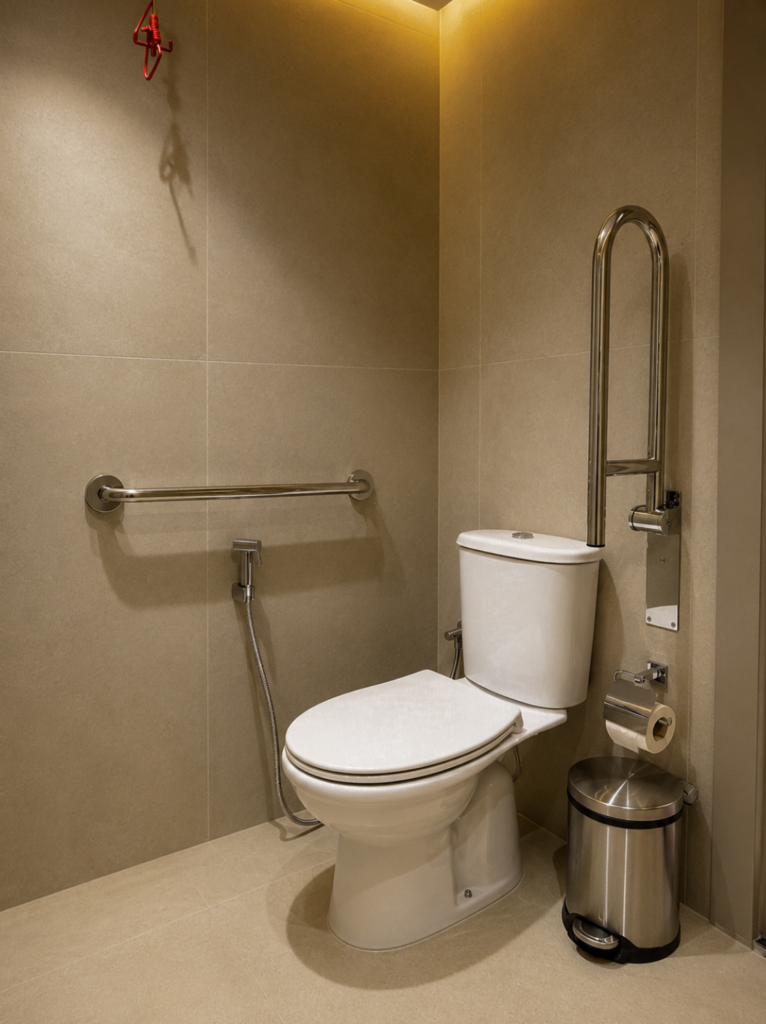
Accessibility formed an integral part of the transformation. Sixteen ground-floor guest rooms were designed for People of Determination, incorporating roll-in showers and appropriate supporting fittings. The intention was to integrate these requirements into the same hospitality aesthetic applied throughout the property, rather than treating accessible accommodation as a separate category. The rooms maintain a consistent approach to finishes and detailing while responding to the practical requirements of guests with different mobility needs. For hospitality operators, inclusive design involves more than providing access to a building. The arrangement of a room, the usability of its facilities and the ease with which guests can navigate a space all contribute to the experience of staying there. At Dubai Youth Hostel, accessibility was considered alongside comfort, independence and the wider design language of the property.
The challenge of renovating an operational property
Behind the completed interiors was a substantial exercise in planning and coordination. The hostel needed to remain open throughout the renovation. Construction could not proceed as though the building were vacant. Guest operations, access and the sequence of works had to be considered alongside the technical requirements of the project.
Urban Atelier organised the programme into two principal phases. This phased approach allowed work to progress through different areas of the property while the hostel continued receiving guests. The existing building presented further complexities. Original as-built drawings no longer fully reflected conditions on site, requiring areas to be remeasured and surveyed before the relevant works could proceed. These are the less visible aspects of hospitality renovation, yet they are often among the most consequential. Successful delivery depends on understanding the building as it exists, planning around its operations and coordinating the different trades and specialist works required to realise the design.
“What stood out most was the feeling of the place. It went from a worn-out building to a new one, bright and modern and full of warmth. You feel it from the very first glance. But what impressed me more than anything is that they did not have to compromise. They succeeded at everything at once. The quality of the finishes. The speed and discipline of delivery. And, above all, the accessibility and the experience for our guests. The result is there for all to see."
Abdullah Mahyooh
Board Member and Secretary General
of the Council, and CEO
UAE Federation for Youth Hostel & Sports
A new chapter for an existing building
The transformation of Dubai Youth Hostel demonstrates the potential of working thoughtfully with an established property.
Existing spaces were adapted for new purposes, the guest accommodation was brought to a consistent standard, and previously underused areas were developed into facilities that expand the experience of the building. Durable finishes, energy-efficient LED lighting and upgraded air-conditioning were incorporated to support its continued use. For the UAE Federation for Youth Hostel & Sports, the renewed property offers a contemporary expression of its hospitality mission, bringing together accessible accommodation, recreation and community. For Urban Atelier, the project reflects an approach to hospitality renovation in which design intent, construction, technical coordination and operational requirements are considered together. The result is experienced in the details: the illuminated skyline above a guest bed, the atmosphere of a shared lounge, an accessible room designed with care, and the renewed outdoor spaces that invite guests to stay a little longer. A familiar building, thoughtfully transformed for the people who experience it.
Project : Dubai Youth Hostel Transformation
Client : UAE Federation for Youth Hostel & Sports
Location : Dubai, UAE
Duration : 5 months